For many homeowners, siding is viewed primarily through the lens of aesthetics. It defines the color, texture, and character of a house, providing that all-important curb appeal. However, siding serves a much more critical function: it is the primary shield protecting your home’s structural integrity from the relentless forces of nature. When that shield is compromised, the damage often begins where you cannot see it. By the time visible signs appear on the exterior, the structural health of your home may already be at risk.
The Silent Threat of Moisture Infiltration
The most common and destructive form of hidden damage is moisture infiltration. Siding is designed to shed water, but it is rarely 100% waterproof. Instead, it works as part of a system that includes a weather-resistant barrier (WRB) or “house wrap” underneath. When siding is cracked, warped, or improperly installed, water can find its way behind the panels. If the underlying barrier is also compromised or aging, that water reaches the wooden sheathing and the wall studs.
One of the first signs of hidden moisture is the presence of mold or mildew on the exterior of the siding, particularly in shaded areas. While surface mold can often be cleaned, it sometimes indicates that the area behind the panel is perpetually damp. More concerning are the interior signs. If you notice wallpaper peeling, paint bubbling, or unexplained stains on your interior drywall, water has likely bypassed the siding and the structural sheathing entirely. This internal dampness creates a breeding ground for black mold, which poses significant health risks to inhabitants and can be incredibly costly to remediate if left unchecked.
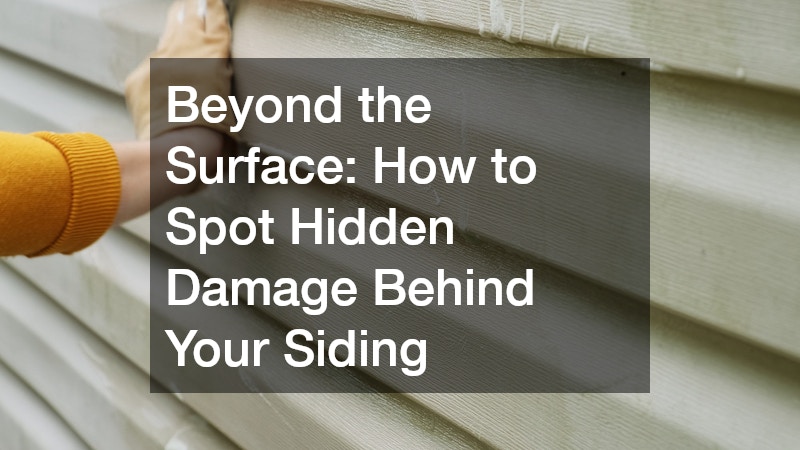
Furthermore, wood rot is a “silent killer” of home equity. Dry rot and wet rot can eat through the structural framing of a house without ever changing the appearance of the vinyl or fiber cement exterior. Homeowners should look for “soft spots” by pressing on the siding in areas near the ground or where the roof meets the walls. If the siding feels spongy or gives way under light pressure, the wood underneath has likely lost its structural density. This level of decay requires immediate intervention to prevent the collapse of wall sections or the sagging of window frames.
The Physical Indicators of Structural Shift
Siding doesn’t just sit on a house; it is attached to it. Because of this, the physical state of your siding can act as a diagnostic tool for the health of the entire building. One of the most obvious red flags is warping or buckling. While extreme heat can cause vinyl to warp, buckling is often a sign that the house’s wooden frame is expanding or shifting due to moisture absorption. When the wood sheathing swells, it pushes against the siding fasteners, causing the panels to distort and create gaps.
Gaps and separations at the seams are another major indicator. Siding panels are designed to overlap to keep water out. If you notice that seams are pulling apart or that the siding is “pulling away” from window casings and door frames, it suggests that the house is experiencing more than just standard settling. This is often the point where homeowners should consult with professional siding contractors to perform a thorough inspection. These experts use specialized tools, such as moisture meters and infrared cameras, to see through the exterior layers and identify exactly where the envelope has been breached.
Insect infestation is another hidden danger that manifests through siding irregularities. Termites and carpenter ants love the dark, moist environment found behind failing siding. If you see small, perfectly round holes in wood siding, or if you notice “frass” (a sawdust-like substance) accumulating at the base of your home, pests have likely established a colony. They often use the gap between the siding and the sheathing as a highway to reach the meat of your home’s structure. Because they work from the inside out, the damage is often catastrophic by the time it becomes visible to the naked eye.
Energy Efficiency and the Cost of Neglect
Hidden damage isn’t always about rot and bugs; sometimes it’s about the air you are paying to heat and cool. Siding acts as a windbreak. If the panels have become loose or the insulation behind them has degraded due to moisture, your home’s energy efficiency will plummet. If you have noticed a steady increase in your utility bills despite no change in usage habits, your siding might be “leaking” air. Drafts felt near electrical outlets on exterior walls are a classic sign that the exterior barrier is no longer intact.
Another subtle sign is the presence of “oil canning.” This is a term used to describe the wavy appearance in flat areas of metal or high-grade vinyl siding. While sometimes a manufacturing defect, it can also be caused by the fasteners being driven too tightly into a frame that is shifting. When the frame moves, it puts stress on the siding, causing it to ripple. This stress can eventually lead to cracks, which restarts the cycle of moisture infiltration and decay.
Ultimately, the cost of neglect far outweighs the cost of maintenance. A small leak caught early might require only a few panels to be replaced and a section of house wrap to be patched. However, waiting until the damage is “obvious” often means replacing entire walls of sheathing, insulation, and framing. Regular inspections—at least twice a year, especially after major storms—are essential. Look for the small things: the slightly loose trim, the tiny crack in the caulking, or the faint smell of musk near a wall. These are the whispers of a house in trouble. By listening to them and taking action before the damage goes deep, you ensure that your home remains the safe, dry, and beautiful sanctuary it was meant to be.