Pole barns have become an increasingly popular building solution for property owners seeking durability, affordability, and versatility. Whether used for agricultural storage, workshops, garages, or even residential purposes, pole barns offer a practical alternative to traditional construction methods. Understanding how pole barns work, their benefits, and what to consider before building can help ensure a successful project from start to finish.
What Are Pole Barns?
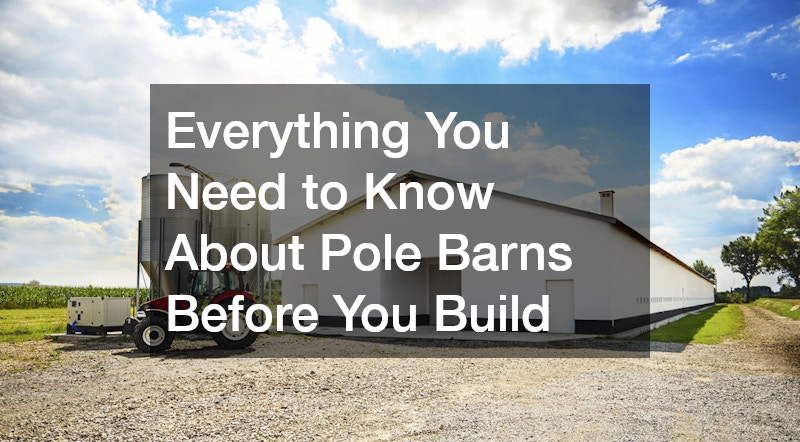
Pole barns, also known as post-frame buildings, are structures that rely on large vertical posts or poles buried in the ground or secured to a foundation. These posts provide the primary structural support, eliminating the need for continuous foundations or load-bearing interior walls.
Because of this simplified design, pole barns can be constructed more quickly and often at a lower cost than conventional buildings.
The flexibility of pole barns makes them suitable for a wide range of uses. From farm equipment storage and livestock shelters to hobby spaces and commercial facilities, these structures can be customized to meet specific needs.
Key Benefits of Pole Barns
One of the main reasons property owners choose pole barns is their cost-effectiveness. With fewer materials required for the foundation and framing, overall construction costs are typically lower. Additionally, the streamlined building process reduces labor time, which can further decrease expenses.
Pole barns are also known for their durability. When built with quality materials and proper techniques, they can withstand harsh weather conditions, including heavy snow, strong winds, and fluctuating temperatures. This makes them a reliable option in both rural and suburban environments.
Another major advantage is design flexibility. Pole barns can be easily customized in terms of size, layout, and exterior finishes. Large, open interior spaces allow for easy movement of equipment or vehicles, and features like overhead doors, insulation, and ventilation systems can be added based on the intended use.
Planning Your Pole Barn Project
Before starting construction, it is essential to carefully plan your pole barn project. Begin by identifying the primary purpose of the building. Knowing whether the structure will be used for storage, workspace, or living space will influence decisions about size, layout, and features.
Next, consider the location. Proper site selection and preparation are crucial for the longevity of pole barns. The ground should be level and well-drained to prevent moisture issues. In some cases, minor grading or soil preparation may be necessary.
Local building codes and zoning regulations should also be reviewed early in the process. Requirements for pole barns can vary depending on the area, including permits, setbacks, and structural specifications. Ensuring compliance will help avoid delays or unexpected costs.
Design Considerations for Pole Barns
Designing pole barns involves more than just choosing dimensions. Structural integrity, functionality, and future needs should all be taken into account. For example, ceiling height is an important factor if you plan to store large equipment or install a loft.
Insulation is another key consideration, especially if the pole barn will be used year-round. Proper insulation can improve energy efficiency and create a more comfortable interior environment. Ventilation is equally important, as it helps regulate temperature and prevent moisture buildup.
Doors and access points should be strategically placed to maximize convenience and usability. Many pole barns feature large overhead doors for easy entry, along with standard entry doors for everyday use.
Choosing the Right Builder
Working with an experienced builder is one of the most important steps in constructing pole barns. A professional contractor will understand the unique requirements of post-frame construction and ensure that the building is designed and assembled correctly.
A reputable pole barn company can also help guide you through the planning process, from selecting materials to finalizing the layout. Their expertise can help prevent common mistakes and ensure that your investment delivers long-term value.
When evaluating builders, look for experience, positive customer feedback, and a portfolio of completed pole barns. Clear communication and detailed estimates are also important indicators of a reliable contractor.
Maintenance and Long-Term Value
Pole barns are generally low-maintenance structures, but regular upkeep is still necessary to extend their lifespan. Periodic inspections of the roof, siding, and structural components can help identify minor issues before they become major problems.
Keeping the building clean and ensuring proper drainage around the perimeter will also help prevent damage. With proper care, pole barns can provide decades of dependable use.
In terms of long-term value, pole barns offer an excellent return on investment. Their versatility allows them to adapt to changing needs over time, making them a smart choice for property owners looking for both functionality and flexibility.
Your Next Build Done Right with Pole Barns
Pole barns continue to gain popularity for good reason. Their affordability, durability, and adaptability make them an ideal solution for a wide range of applications. By understanding the basics of pole barns and working with a trusted builder, property owners can create a structure that meets their needs today and well into the future.